
Uneven blocks waste space and invite erosion, but good design fixes both. On sloped sites, a retaining wall system for sloping land reshapes grades, slows runoff, and creates usable terraces with less disturbance than heavy cut and fill. The best systems pair interlocking units with proper drainage so loads transfer predictably and water has somewhere to go. Do that well and you get stability, safer access, and a cleaner landscape that is easier to maintain over time. Add sensible detailing—geogrid, compacted backfill, weep paths, and toe embedment—and performance holds up through wet seasons, heavy use, and soil movement common on Australian sites. That’s practical engineering meeting everyday landscaping.
How do retaining wall systems work on sloping land?
They hold back soil so the slope behaves like steps, not a slide. Stability comes from mass, interlock, and drainage.
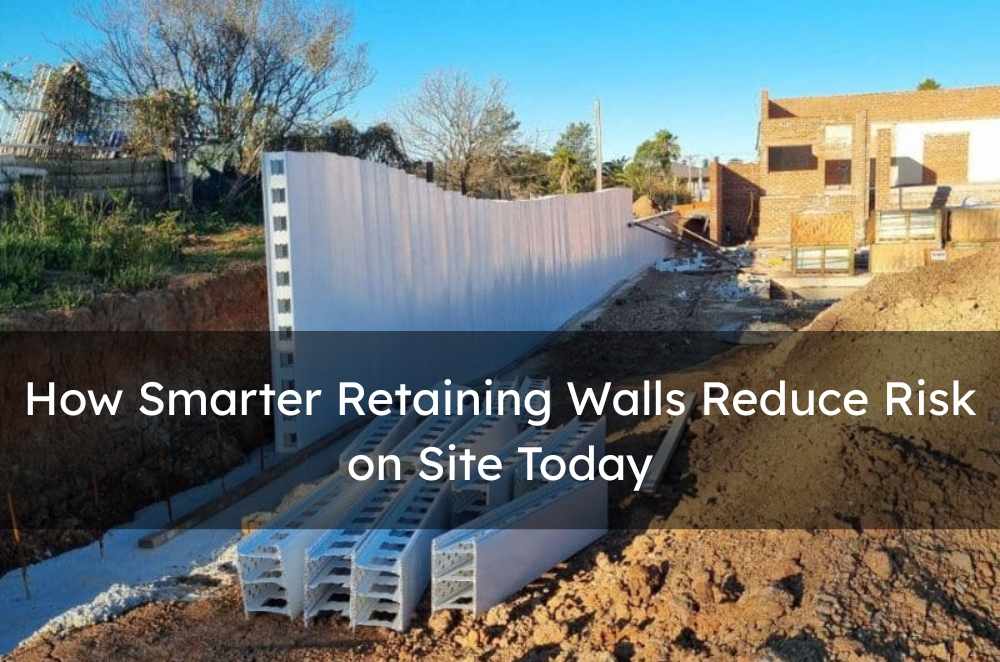
A retaining wall changes a single steep grade into benches. That reduces the driving forces that push soil downhill. The core principles are straightforward: adequate footing, free-draining backfill, a path for water to exit, and units that connect tightly so movement is resisted along the whole length. Mid-slope terraces also slow water, which reduces scouring and sediment.
Use a graded aggregate for backfill to relieve pressure
Include perforated drains that daylight safely
Step on the wall to resist sliding
Cap with units that lock and shed water
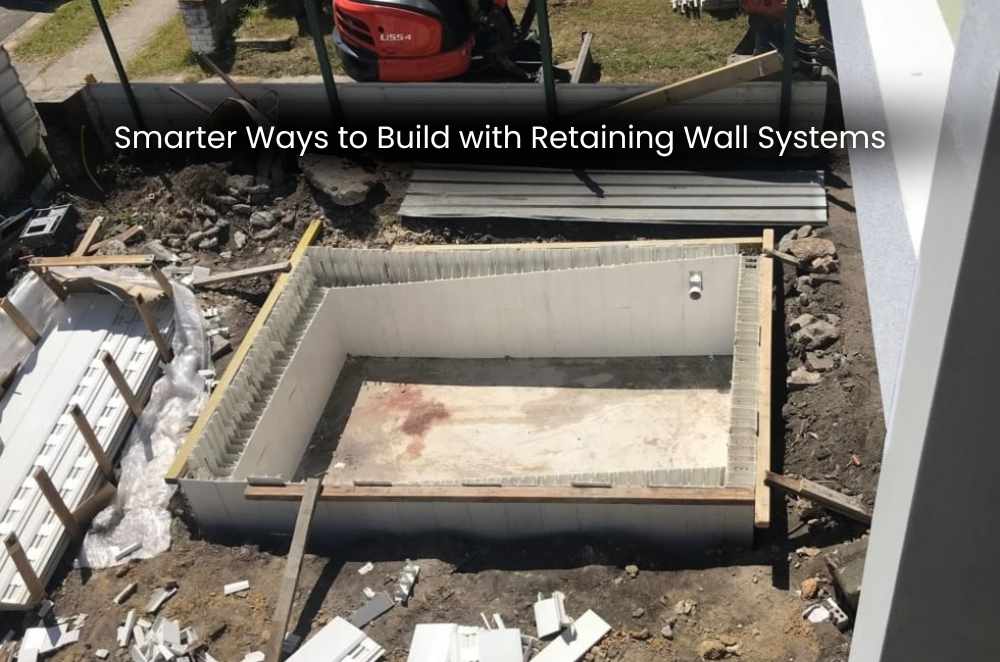
In practice, crews often combine geotextiles with innovative retaining wall techniques to keep fines out of drains and to stabilise the reinforced soil zone. That delivers predictable performance across changing seasons and soil types.
What design choices improve longevity and safety?
Choose engineered components, plan drainage first, and size everything for site loads. Small errors in water management cause big failures.
Start with a site assessment. Clay expands and holds water while sandy soils drain quickly, so details differ. Aim for walls that shed water from the face and vent it from behind. Where pedestrian areas or driveways sit above the wall, specify guard treatments and surcharge allowances. Local practice typically follows conservative limits drawn from standards and established engineering manuals, with an emphasis on careful construction and inspection.
Keep weep holes and drains accessible for maintenance
Provide toe embedment to resist scour and uplift
Stagger joints and bond courses for shear strength
Allow expansion joints at returns and steps
Industry guidance is consistent on the fundamentals: compact backfill in thin lifts, protect drains from clogging, and verify bearing capacity before you build. Those habits are what keep walls straight and safe over time.
How do modern retaining walls support sustainability and aesthetics?
They reduce waste with modular builds and integrate greener materials. Thoughtful finishes turn structure into landscape.
Manufacturers increasingly use recycled aggregates and lower-cement mixes where specification allows. Modular units minimise offcuts and can be lifted individually for repairs rather than demolishing whole sections. Plantable faces and terraced beds cool hardscapes and support biodiversity. Midway through planning, many designers balance performance with visual texture by referencing emerging trends in retaining systems that pair durable surfaces with local planting palettes.
Well-established building science points to lifecycle thinking: consider energy and carbon in materials, ease of maintenance, and end-of-life recovery. In day-to-day terms, that means specifying durable finishes, keeping water moving, and choosing native plants that stabilise edges without heavy irrigation.
Conclusion
Retaining walls work when water has a path, units interlock, and loads are known. Marry those fundamentals with smart materials and you get safer terraces, tidier sites, and landscapes that look the part for years.

Write a comment ...