
Structural internal walls sit in an awkward middle ground: they’re inside the building, but they behave like “real structure”, not a fit-out partition—especially internal walls that carry structural loads.
That’s why teams can get caught out when they treat an internal load-bearing wall like a standard stud wall with a nicer finish.
Permanent formwork systems can be a smart option for certain internal structural walls, but only when the project constraints line up.
The aim here is to help builders, specifiers, and project leads decide when permanent formwork is worth considering, what commonly goes wrong, and what to do in the next two weeks to reduce rework risk.
What makes an internal load-bearing wall different from a partition
A partition is usually there to divide space and carry finishes, not to take significant structural load.
An internal load-bearing wall does the opposite: its primary job is to carry loads and transfer them safely into the structure below.
That difference changes the tolerance story, the approval story, and the coordination story.
If a wall is genuinely structural, small detailing decisions (openings, penetrations, fixing zones, and finish build-ups) can become big problems later if they’re not locked down early with the right people.
What “permanent formwork” changes on site
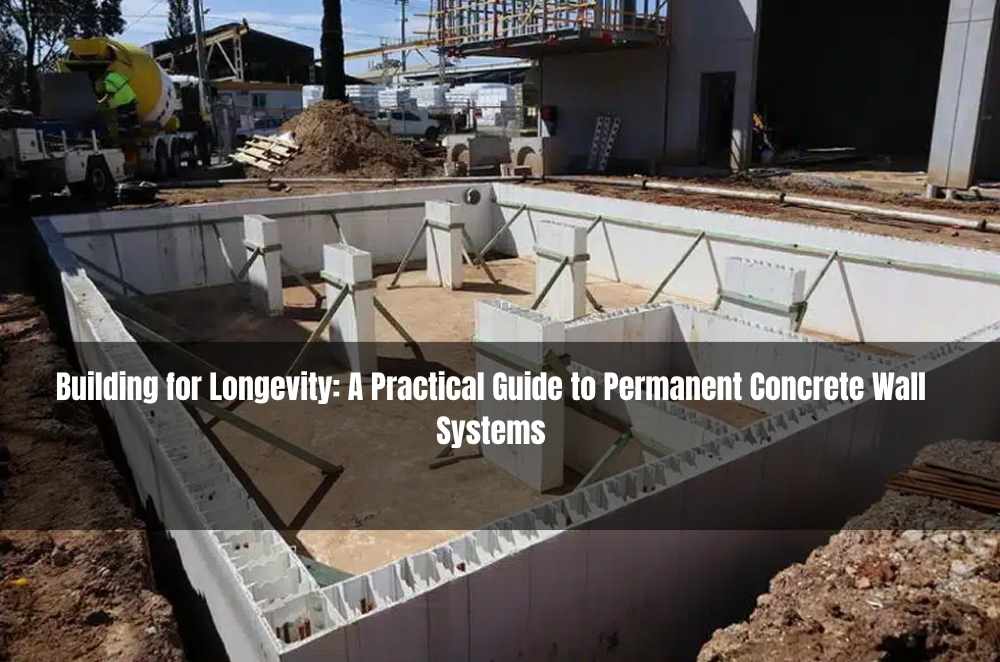
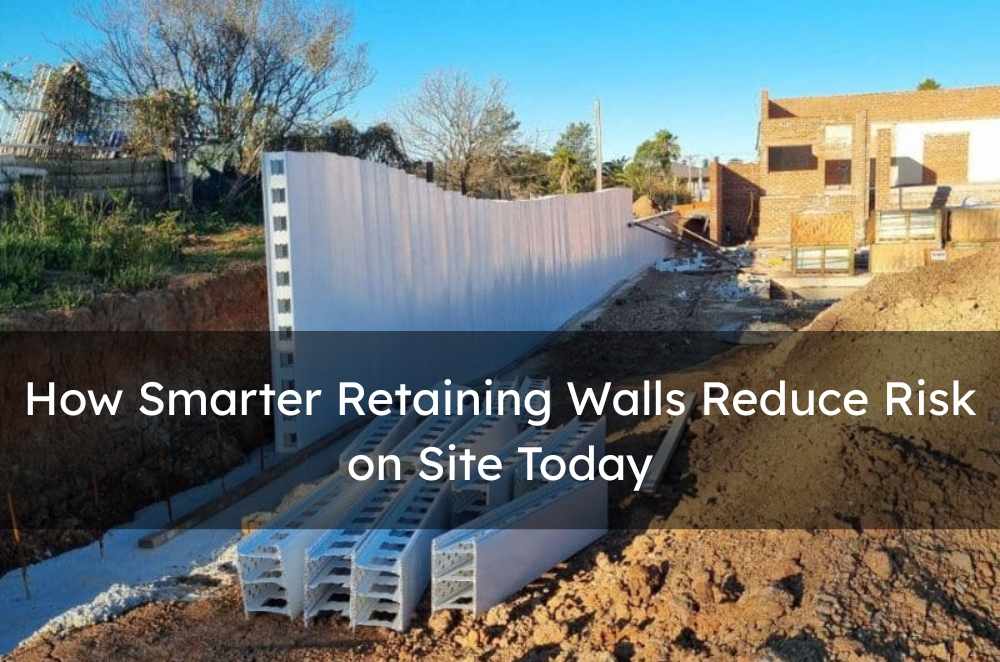
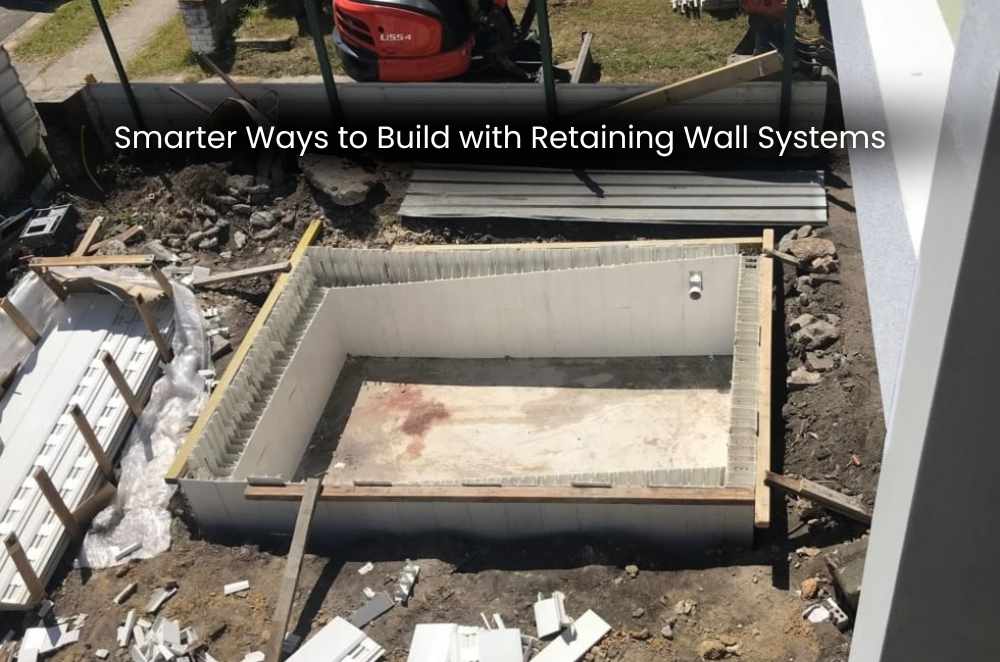
Permanent formwork is easiest to understand by what it removes: it reduces (or eliminates) the cycle of building temporary formwork, placing reinforcement, pouring concrete, then stripping and patching.
Instead, the formwork stays in place as part of the finished wall build-up, and the wall becomes both a structural element and a coordinated construction package.
That can be attractive for internal walls where access is tight, finish requirements are high, or program pressure makes traditional cycles painful.
It also shifts risk around rather than deleting it, because you’re relying on dimensional accuracy, correct sequencing, and clean coordination with services and finishes.
Where it can shine
Permanent formwork tends to suit internal structural walls when a project has a clear need for predictable wall lines, reduced formwork labour, and permanent wall system solutions that support cleaner sequencing and fewer wet-trade interruptions.
It can also be helpful when the site team wants to reduce time lost to stripping, patching, and rectifying surface quality before finishes.
And it can be easier to manage in staged works where areas need to be handed over progressively.
Where it can bite
If the design is still moving, or the services strategy isn’t stable, a “fast wall system” can become a fast way to lock in the wrong thing.
Once a structural wall is set, late changes to penetrations, openings, or embedded items can trigger expensive rework, engineering reassessment, and program delay.
Permanent formwork doesn’t remove the need for good structural design and certification; it just changes how the wall gets built.
Decision factors: choosing the right approach for your internal structural walls
1) Program pressure versus coordination maturity
If the project is late, the temptation is to choose whatever looks quickest on paper.
In practice, permanent formwork works best when the wall layout, openings, and major service routes are already well coordinated.
If those inputs are still fluid, the time you “save” in forming can be lost twice over in redesign and rework.
2) Services strategy: penetrations, zones, and “future-proofing”
Internal load-bearing walls often sit exactly where everyone wants to run something through: hydraulics, electrical, comms, fire services, and sometimes structural fixings for plant or joinery.
You’ll want clarity on:
Which penetrations are allowed, where, and at what sizes
Who signs off late changes
How penetrations are formed, sleeved, and tracked
What “future” penetrations are permitted, if any
If you’re comparing methods, it helps to review a product-specific reference like the Rise Products Australia wall system overview before finalising coordination and finishes.
3) Finish expectations and interface detail
Internal structural walls often have higher finish scrutiny than external structure.
A wall that will be directly painted, tiled, or used as a feature surface has different expectations from a wall hidden behind services and linings.
Before selecting a method, map the interface details:
Skirting and floor finish build-ups
Ceiling junctions and movement control
Set-out for doors and openings
Fixing zones for joinery, handrails, or equipment
A system that performs well structurally can still fail the project if it creates avoidable finishing complexity.
4) Access, staging, and the “busy building” reality
Internal walls are often built when the building is already getting crowded with other trades.
If you can reduce temporary works, store less material, and keep access lanes clearer, you can lower site friction.
That benefit is real, but it only shows up if delivery, handling, and sequencing are planned properly.
5) Compliance and responsibility boundaries
For structural internal walls, the big question isn’t “what system is best”, it’s “who is responsible for what”.
Draw a clean line between:
Engineering design and certification
Product selection and technical constraints
Installation method and quality control
Inspection hold points and sign-offs
If those boundaries aren’t explicit, problems tend to show up late, when fixing them is hardest.
Common mistakes that cause rework on internal structural walls
The most common error is assuming the wall can be “finalised later” because it’s internal.
Another frequent mistake is leaving penetrations to be “sorted on site”, which usually means they’ll be sorted under pressure, with inconsistent approvals.
Teams also underestimate how much opening set-out affects everything downstream: door frames, fire doors, glazing, skirtings, and accessibility clearances.
It’s also common to overlook movement, shrinkage, and deflection considerations at interfaces, especially where the wall meets finishes that crack or telegraph.
Finally, people forget that internal structural walls still need a clear inspection and documentation trail, even when the wall looks like a neat packaged system.
Operator Experience Moment
On real sites, the biggest friction isn’t pouring concrete—it’s what happens around the wall after it’s “done”.
I’ve seen projects where the wall itself went in cleanly, but the week after was chaos because services teams arrived with different penetration assumptions.
The lesson is simple: speed only counts if everyone is building to the same coordinated version, and the approval path for changes is boringly clear.
Local SMB Mini-Walkthrough (Australia)
A small commercial builder in Australia wins a two-storey fit-out with a few internal structural walls supporting mezzanine loads.
The architect wants clean lines, the client wants fast handover, and the services contractor wants generous routes for fire and hydraulics.
The builder sets a coordination workshop early to lock openings, penetration zones, and finish interfaces.
The engineer confirms the structural intent and signs off the penetration rules and any required sleeves or embedded items.
The team sequences the wall works before congested ceiling services ramp up, with clear inspection hold points.
They keep a single tracked register for wall changes, so late requests don’t sneak in informally.
Practical Opinions
If coordination is immature, prioritise locking penetrations and openings before chasing program gains.
If finishes matter, prioritise interface detailing and set-out tolerance over “fastest install” claims.
If responsibility is unclear, prioritise documenting sign-offs so “everyone agreed” doesn’t become “no one approved”.
A simple first-actions plan for the next 7–14 days
Start with a one-page wall schedule that lists each internal structural wall, its purpose, and what trades interface with it.
Run a coordination session focused only on openings, penetrations, and fixing zones, and produce a marked-up “no-surprises” wall plan.
Ask the engineer to confirm (in writing) the penetration rules, approval thresholds for changes, and any non-negotiable structural constraints.
Align the finish strategy by wall: direct paint, tile, lining, joinery zones, and any acoustic or fire requirements that influence detailing.
Set inspection hold points and nominate who signs off what, including what happens when site conditions force a change.
Then lock a change-control pathway so late requests are either approved properly or rejected early, not discovered after the wall is built.
Key Takeaways
Permanent formwork can reduce formwork labour and improve predictability, but it demands early coordination.
Internal load-bearing walls fail projects more often through interfaces and penetrations than through “wall strength” issues.
Program gains are real only when responsibilities, approvals, and set-out are locked before installation.
A short, focused two-week plan can prevent months of downstream rework.
Common questions we hear from businesses in Australia
How do we know if an internal wall is truly “load-bearing”?
Usually the structural drawings and engineering documentation will identify which walls are designed to carry load and how they connect to slabs, beams, or footings.
Next step: ask the engineer to confirm the wall’s structural role and any restrictions on openings or penetrations, then circulate that confirmation to the site team.
In most Australian projects, treating “maybe load-bearing” walls as structural until confirmed helps avoid risky on-site assumptions.
Can we change penetrations later if services routes move?
It depends on the wall design, the size/location of penetrations, and what the engineer allows without reassessment.
Next step: create a penetration register with approval thresholds (what can be approved on-site versus what must go back to engineering) before wall works start.
In most cases on Australian commercial jobs, late penetration changes are where program gains disappear fastest.
Is permanent formwork always faster than traditional formwork?
Usually it’s faster only when the layout is stable, delivery and handling are planned, and inspection points don’t become bottlenecks.
Next step: map the wall sequence against other trade ramps (especially ceilings and services) and confirm whether the method reduces or increases site congestion.
In most Australian metro builds, “faster” depends as much on logistics and coordination maturity as it does on the wall system itself.
What should we include in procurement or scope to reduce disputes?
In most cases the cleanest outcomes come from writing down responsibility boundaries: design/certification, supply constraints, installation method, and inspection sign-offs.
Next step: add a scope checklist covering openings, embeds, sleeves, finish interfaces, and change-control, and make it part of the subcontract agreement.
Usually in Australia, disputes happen when the wall is treated like a fit-out item even though it carries structural responsibility.

Write a comment ...