
Modern construction across Australia and the United States is increasingly focused on durability, efficiency, and resilience. Developers and builders are seeking structural solutions that not only meet regulatory requirements but also provide long-term performance in diverse environmental conditions. As a result, permanent concrete wall systems have become a preferred choice for a wide range of residential, commercial, and infrastructure projects.
These systems integrate structural strength with construction efficiency, offering a reliable alternative to traditional building methods. Understanding their benefits and applications can help project stakeholders make informed decisions that support sustainable and cost-effective developments.
What Are Permanent Concrete Wall Systems?
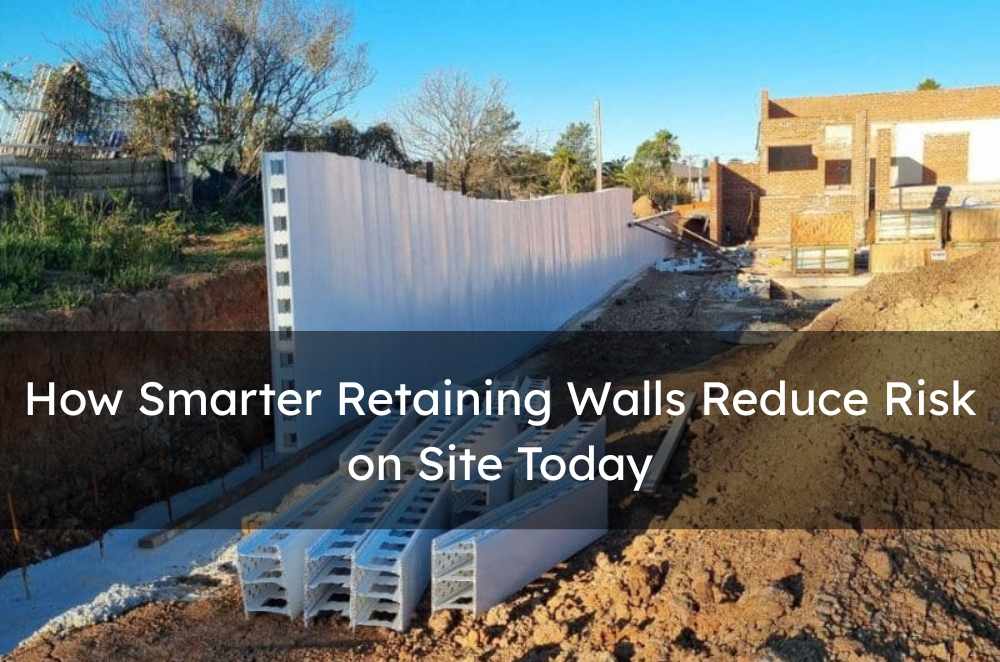
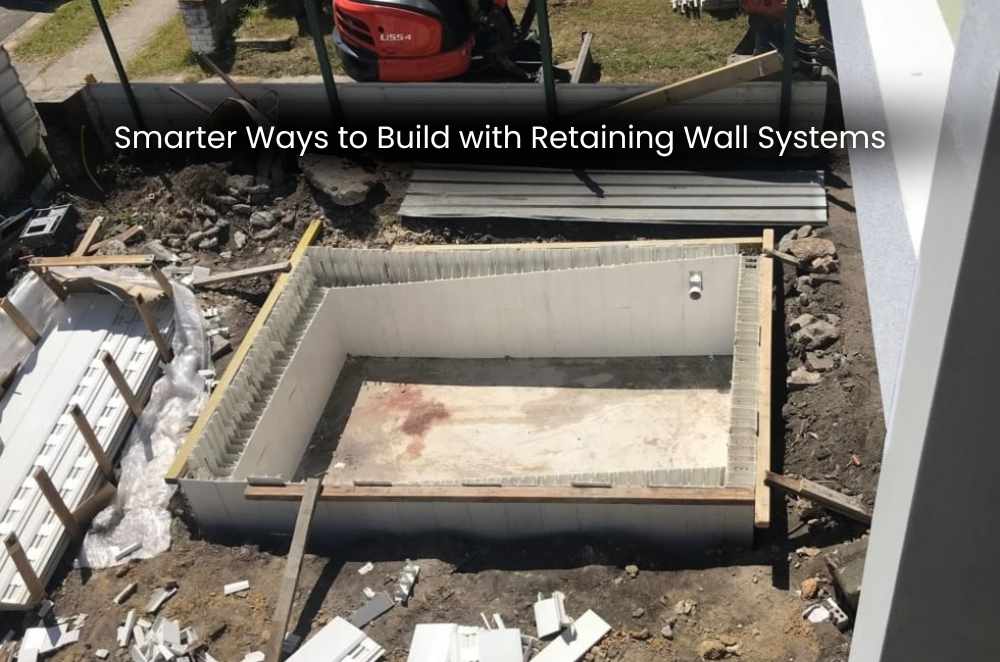
Permanent concrete wall systems typically involve formwork that remains in place after the concrete is poured, becoming an integral part of the finished structure. Unlike temporary formwork, these systems contribute to the wall’s structural integrity while often enhancing thermal and moisture performance.
Key Components
Permanent Formwork Panels: These remain in situ, reducing the need for removal and additional finishing.
Reinforced Concrete Core: Provides the primary load-bearing capacity.
Moisture-Resistant Materials: Help protect against water ingress and environmental degradation.
Insulation Layers (Optional): Improve thermal efficiency and energy performance.
Finishing Surfaces: Allow for architectural flexibility and reduced post-construction work.
Benefits of Permanent Concrete Wall Systems
1. Enhanced Structural Strength
Reinforced concrete offers exceptional load-bearing capacity, making these systems suitable for multi-storey buildings and infrastructure projects.
2. Improved Construction Efficiency
Because the formwork remains in place, installation is faster and requires less labour, helping projects stay on schedule.
3. Superior Moisture Resistance
Water-resistant materials minimise the risk of mould, corrosion, and long-term structural deterioration, particularly beneficial in coastal regions of Australia and areas of the United States prone to heavy rainfall.
4. Thermal and Acoustic Performance
Many systems incorporate insulation, contributing to improved energy efficiency and sound attenuation.
5. Reduced Lifecycle Costs
Durability and low maintenance requirements often result in favourable long-term economic outcomes compared with traditional construction methods.
Common Mistakes in Selecting Wall System Solutions
1. Overlooking Site-Specific Conditions
Failing to consider soil characteristics, groundwater levels, and climate can lead to suboptimal system selection.
2. Prioritising Initial Cost Over Lifecycle Value
Lower upfront costs may not reflect the true long-term expenses associated with maintenance and repairs.
3. Inadequate Drainage Planning
Even moisture-resistant systems require effective drainage to ensure optimal performance.
4. Ignoring Regulatory Compliance
Projects must comply with the National Construction Code (NCC) in Australia and the International Building Code (IBC) in the United States.
5. Limited Stakeholder Collaboration
Insufficient coordination between engineers, contractors, and suppliers can result in design inefficiencies and construction delays.
Decision Factors When Choosing Permanent Concrete Wall Systems
Site and Environmental Conditions
Assess rainfall, humidity, seismic activity, and soil stability to determine the most appropriate system.
Structural Requirements
Consider load-bearing capacity, wall height, and integration with other building elements.
Construction Timeline
Prefabricated and modular systems are ideal for projects with tight deadlines.
Sustainability Goals
Energy efficiency and reduced material waste are increasingly important in modern construction.
Compliance and Certification
Ensure that selected systems meet relevant building codes and engineering standards.
Supplier Expertise and Technical Support
Reliable guidance and after-sales service contribute to smoother project execution.
A Simple 7–14 Day First-Actions Plan
Days 1–3: Conduct a Preliminary Site Assessment
Evaluate environmental conditions, access constraints, and overall project objectives.
Days 3–5: Engage Engineering Professionals
Consult structural and geotechnical engineers to define system requirements.
Days 5–7: Establish Performance and Sustainability Goals
Clarify expectations related to durability, energy efficiency, and moisture resistance.
Days 7–10: Review Suitable System Options
Assess available technologies and compare their specifications and lifecycle value.
Days 10–14: Finalise Design and Procurement Strategy
Select the preferred system and prepare documentation for regulatory approval and construction.
Operator Experience Moment
Construction teams working on mixed-use developments often find that early adoption of permanent formwork systems simplifies project coordination. By integrating structural and moisture-resistant features from the outset, contractors can reduce rework and achieve more predictable construction timelines. This collaborative planning approach consistently supports improved project outcomes.
Local SMB Mini-Walkthrough: Cross-Regional Development Example
A residential developer in Brisbane identifies the need for durable wall systems for a multi-unit project in a coastal environment.
Geotechnical assessments highlight moisture management as a key consideration.
Engineers recommend a permanent formwork concrete system to enhance durability and efficiency.
The developer collaborates with suppliers to customise the wall design.
Installation proceeds efficiently, enabling subsequent construction stages to commence on schedule.
A similar approach is later applied to a commercial project in the United States, demonstrating the system’s adaptability across different regulatory environments.
Practical Opinions
Prioritise lifecycle performance and moisture resistance when selecting wall systems.
Engage qualified engineers early to ensure compliance and optimal design.
Consider prefabricated solutions to enhance construction efficiency and consistency.
Key Takeaways
Permanent concrete wall systems provide exceptional durability and structural integrity.
These systems enhance construction efficiency and reduce long-term maintenance costs.
Proper assessment of site conditions and regulatory requirements is essential.
Early collaboration among stakeholders leads to more successful project outcomes.
The versatility of these systems makes them suitable for projects in both Australia and the United States.
Common questions we hear from businesses in Australia and the United States
Are permanent concrete wall systems suitable for both residential and commercial projects?
Usually, yes. These systems can be engineered to meet the structural demands of various building types. Next step: consult with a structural engineer to determine the most suitable design for your project. In both Australia and the United States, they are widely used across multiple sectors.
How do these systems perform in areas with high moisture levels?
In most cases, permanent formwork systems incorporate moisture-resistant materials that help mitigate water ingress. Next step: ensure that drainage and waterproofing strategies are integrated into the design. This is particularly important in coastal Australian regions and parts of the United States with significant rainfall.
Do these wall systems comply with local building regulations?
Usually, reputable systems are designed to meet the National Construction Code (NCC) in Australia and the International Building Code (IBC) in the United States. Next step: request compliance documentation from the supplier before finalising your selection to ensure regulatory approval.
Can permanent concrete wall systems reduce overall construction time?
It depends on the project scope, but many developments benefit from faster installation due to the integration of permanent formwork. Next step: evaluate construction timelines with your project team to determine potential efficiency gains. Builders in both Australia and the United States often adopt these systems to meet tight project schedules.

Write a comment ...